- Contact Us:
- info@gbfood.gov.pk
- Mon - Fri: 8:30 - 4:30

The Department performs the following principal functions within its applicable legal and administrative mandate.
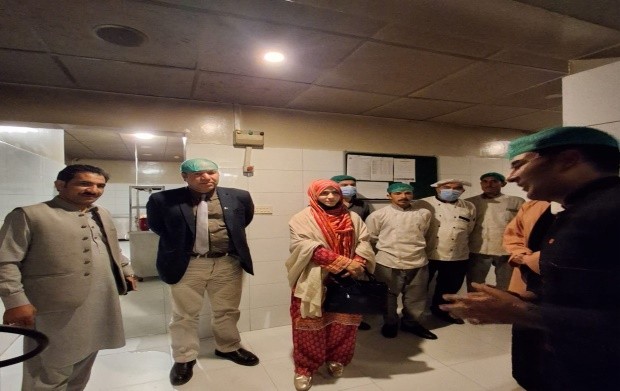
Safeguarding consumers by preventing food adulteration, contamination, misbranding and other food safety hazards. Promoting hygienic food handling, storage, preparation and transportation throughout the food chain.
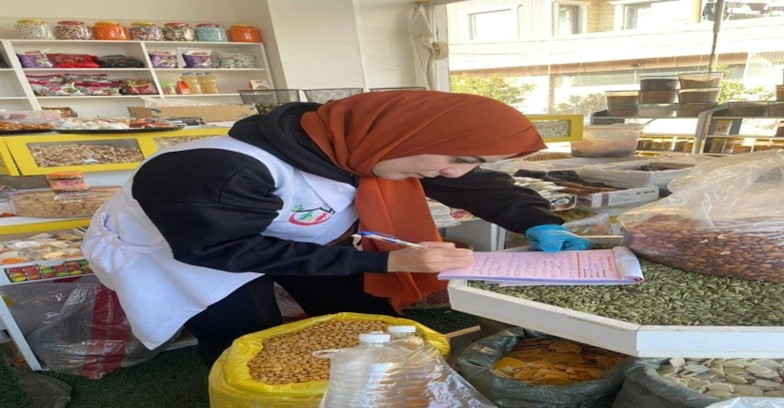
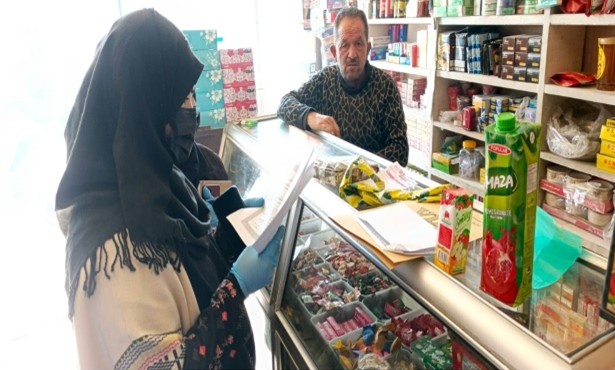
Implementing the Gilgit-Baltistan Food Act, 2022, Food Fortification Act 2025 and applicable rules and standards. Conducting inspections, investigating violations, collecting samples, and taking lawful enforcement measures against non-compliant food businesses and unsafe food.
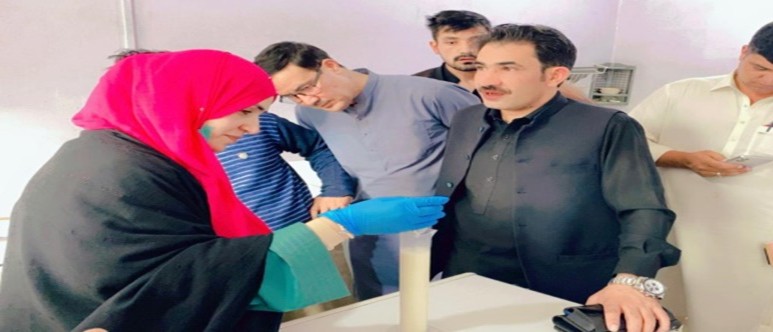
Conducting food sampling and coordinating laboratory analysis to assess compliance with applicable standards. Using test results and inspection findings to identify substandard, adulterated, contaminated or misbranded food and support appropriate legal action.
Regulating food business operators through applicable registration and licensing procedures, inspections and compliance monitoring, covering manufacturing, processing, storage, transportation, distribution and retail activities.
Assessing requirements, managing approved wheat quotas and allocations, and monitoring the distribution of subsidized wheat and flour to support equitable access to essential food commodities across Gilgit-Baltistan.
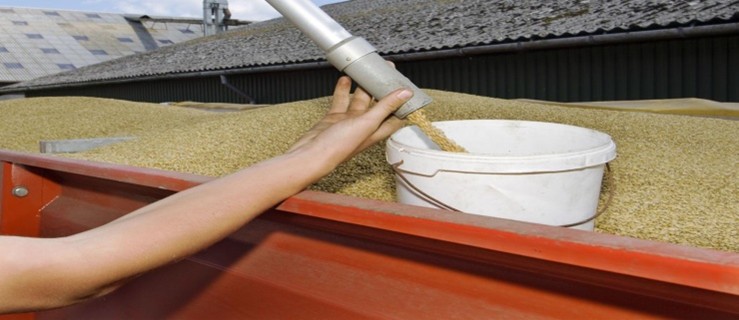
Managing wheat procurement and supply planning for the subsidized food programme, including coordination with relevant agencies, assessment of regional requirements and verification of wheat quality and stocks.
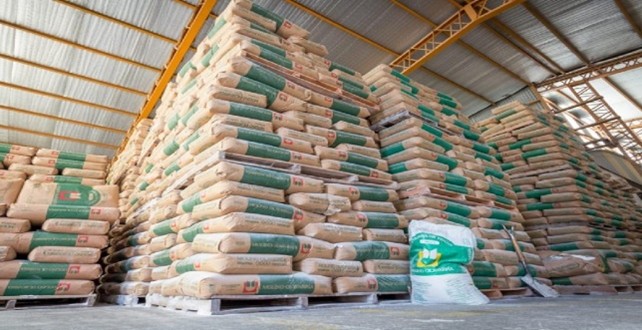
Coordinating the transportation, storage, preservation and distribution of wheat through designated depots and storage facilities. Monitoring stock levels and maintaining appropriate storage practices to minimize losses and preserve commodity quality.
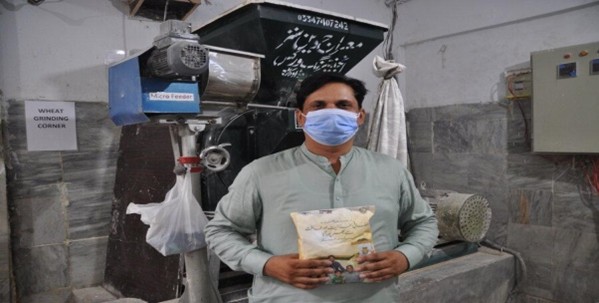
Promoting and monitoring food fortification initiatives in accordance with applicable legislation and prescribed standards. Supporting efforts to improve the nutritional quality of essential food commodities and address micronutrient deficiencies.
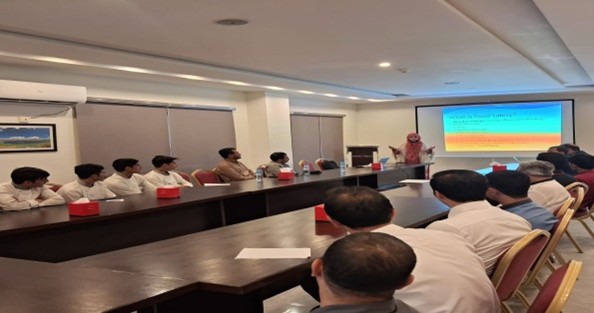
Educating the public about safe food choices, hygiene, food labeling, expiry dates, adulteration and consumer rights. Facilitating the reporting of suspected food safety violations through official complaint channels.
Coordinating with relevant government departments, local administrations, laboratories and development partners. Supporting the development and implementation of food safety standards, technical guidelines, SOPs and monitoring mechanisms to strengthen food governance across the region.